
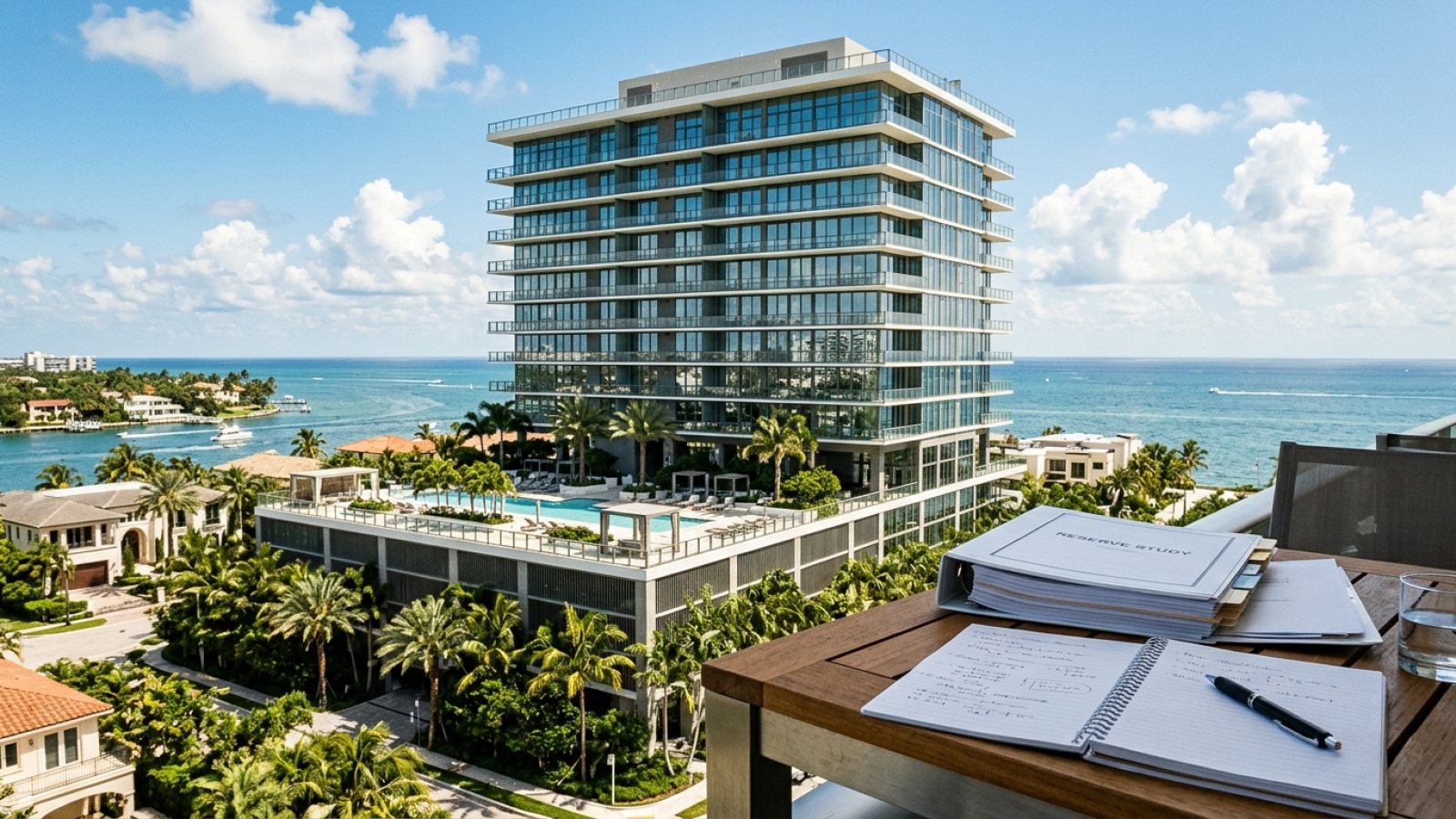
Reserves and Special Assessments: What Owners Are Hearing in the News
Discussions around building reserves and special assessments are more prominent than ever for condo and co-op owners in Florida. Recent legislative changes aim to bolster financial stability for critical structural repairs, shaping how boards plan for the future.
Owners across Miami-Dade and Broward counties are hearing more about building reserves and special assessments, especially as new state laws reshape how condominiums and cooperatives fund their essential repairs and maintenance. These conversations reflect a heightened focus on ensuring buildings are financially prepared for the significant costs associated with maintaining structural integrity and safety in Florida's unique environment.
The Cornerstone of Building Health: Reserves
Building reserves are crucial funds set aside by condo and co-op associations for the future replacement or repair of common elements. Think of major components like roofs, exterior painting, plumbing, pavement, and critical structural elements. Historically, Florida law allowed associations to waive or reduce the funding of these reserves, often to keep annual fees lower. However, news reports and recent legislative sessions have highlighted a significant shift. The state's renewed emphasis on building safety has led to mandates requiring full funding for specific structural and safety-related reserve items. This change aims to ensure that when a roof needs replacement, or concrete restoration is due, the necessary funds are readily available without burdening owners with sudden, large expenses.
Legislative Changes and Building Safety
Following a tragic building collapse, Florida lawmakers acted to strengthen requirements for condominium and cooperative associations. One key area of reform directly impacts reserves. Generally speaking, associations are now required to fully fund reserves for specific structural and life safety components, and owners can no longer vote to waive these particular reserve contributions. The intent behind these legislative updates is clear: to ensure buildings have the financial means to address identified structural and safety needs promptly, reducing the risk of deferred maintenance that could compromise a building's integrity. These changes are a direct response to a statewide call for greater accountability and proactive planning in maintaining aging infrastructure.
When Reserves Fall Short: Understanding Special Assessments
Even with fully funded reserves, special assessments can still be a part of a building's financial landscape. A special assessment is a one-time fee levied against owners to cover an unexpected expense or a project for which reserves are insufficient. This might occur due to unforeseen major damage, an emergency repair, or a project that simply costs more than anticipated. While the new reserve funding requirements are designed to minimize the need for special assessments for routine, planned capital projects, they cannot account for every possible scenario. For example, a hurricane might cause damage beyond what insurance covers and what current reserves could absorb, necessitating a special assessment. Understanding the difference between a planned reserve contribution and an unplanned special assessment is key for every owner.
What This Means for Owners and Boards
For condo and co-op owners, the news about reserves and special assessments underscores the importance of being informed about their building's financial health. Owners should review their association's budget, annual financial statements, and reserve study reports. These documents provide a detailed look at how funds are being allocated for future repairs and replacements. Boards, in turn, must work closely with qualified professionals—including licensed engineers for reserve studies and structural inspections, and legal counsel for interpreting new statutes—to ensure compliance and responsible financial planning. Engaging with property management and attending association meetings can help owners understand the specific financial strategies their building is implementing to meet these evolving state requirements and protect their investment.
The conversation around reserves and special assessments is fundamentally about ensuring the long-term safety and stability of Florida's residential buildings. By understanding these financial mechanisms and actively participating in their community, owners and boards can work together to build a secure future for their properties.
