
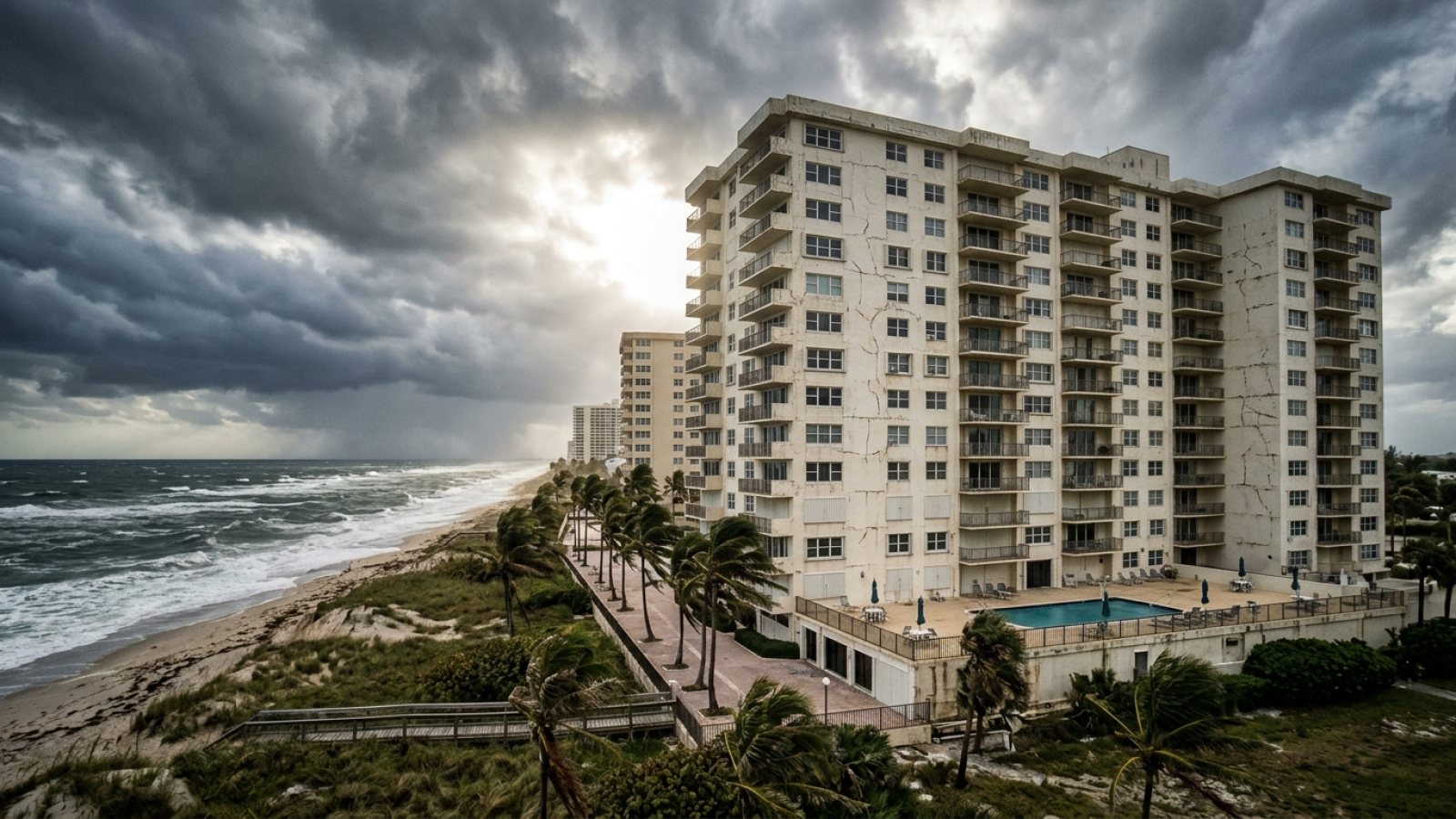
Hurricane Season and the Building Envelope: Keeping Water and Salt Out
In Florida's unique coastal environment, protecting your building's structural integrity means vigilantly maintaining its exterior. The building envelope is the first line of defense against the twin threats of hurricane-force winds, driving rain, and corrosive salt air.
Protecting a multi-story building in Miami-Dade and Broward counties means understanding and maintaining its entire exterior, commonly known as the building envelope. This critical shield is constantly exposed to the elements, especially during hurricane season, and is the primary defense against water and salt intrusion that can compromise a structure over time.
Understanding Your Building's Envelope
The building envelope refers to the entire exterior shell of a structure: its roof, exterior walls, windows, doors, and balconies. Essentially, it's everything that separates the interior, conditioned space from the outdoor environment. In Florida, this envelope is engineered not just for aesthetics but for resilience, designed to withstand intense heat, humidity, powerful winds, and heavy rainfall.
A properly functioning building envelope maintains indoor comfort, energy efficiency, and, most importantly, the long-term structural integrity of the building. When the envelope is compromised, even in small ways, it opens the door to issues that can become costly and complex.
The Dual Threat: Water and Salt
For coastal Florida buildings, the envelope faces a constant battle against two pervasive and destructive forces: water and salt.
Water intrusion can occur through various pathways: hairline cracks in stucco or concrete, failing sealants around windows and doors, deteriorated roof membranes, or inadequate waterproofing on balconies. During a hurricane or even a strong tropical storm, the sheer volume and velocity of rain can exploit the smallest weaknesses. Once water gets into the building's internal structure, it can lead to mold growth, damage to interior finishes, and, more seriously, corrosion of structural steel and rebar. This internal corrosion can compromise the strength of concrete components, leading to spalling and ultimately weakening the building's frame.
Salt intrusion is a silent, insidious threat, particularly for buildings close to the ocean. Salt spray carried by the wind, especially during storms, can penetrate concrete and other materials. Over time, chloride ions from the salt reach the reinforcing steel within the concrete. This initiates a process called chloride-induced corrosion, which is more aggressive than ordinary carbonation-induced corrosion. As the rebar rusts, it expands, cracking the surrounding concrete from within. This process, often invisible in its early stages, can lead to significant structural damage, necessitating costly repairs and potentially impacting the safety of the building.
Proactive Maintenance and Inspections Are Key
Boards and property managers play a crucial role in safeguarding their buildings through consistent vigilance. Regular, professional inspections of the building envelope are essential, not just after a storm, but as part of an ongoing maintenance schedule.
- Visual Inspections: Conduct routine checks for visible signs of wear and tear, such as cracks in walls, peeling paint, discolored patches on ceilings, or efflorescence (salt deposits) on concrete surfaces.
- Sealants and Waterproofing: Pay close attention to sealants around windows, doors, and expansion joints, and the condition of balcony and roof waterproofing. These are often the first points of failure for water intrusion.
- Professional Assessments: Engage licensed engineers to conduct thorough evaluations of the building envelope. These experts can identify subtle issues, assess the integrity of materials, and provide recommendations for repairs or preventive measures. Such assessments are also critical in meeting county recertification programs and milestone structural inspections required by Florida law.
Addressing minor issues promptly is always more cost-effective than waiting for them to escalate into major structural problems. A small crack today can become a significant pathway for water and salt tomorrow.
Strengthening Your Building's Defenses
Investing in the long-term health of the building envelope is an investment in the entire property's value and safety. This might include:
- Upgraded Materials: Considering impact-resistant windows and doors, or enhanced waterproofing systems when undertaking renovation projects.
- Concrete Restoration: Implementing concrete repair and restoration programs to address spalling and corrosion, following professional engineering recommendations.
- Reserve Funding: Ensuring healthy reserve funds for envelope-related repairs and replacements. This proactive financial planning can prevent the need for sudden, large special assessments.
Adherence to the Florida Building Code and specific county requirements, such as those in Miami-Dade County, ensures that repairs and new constructions meet rigorous standards designed to enhance resilience against severe weather.
The challenges posed by hurricane season and Florida's coastal environment are ongoing. Boards and owners must prioritize the consistent inspection and maintenance of their building's envelope. This continuous commitment to protecting the exterior is fundamental to preserving the safety, value, and longevity of the entire building for all residents. Always consult with your building department, a licensed engineer, or an attorney for advice specific to your building's needs and circumstances.
